Cooling Guide · San Bruno, CA
How Long Does a Central AC Last in San Bruno?
Run-hours say one thing, the fog says another. What actually decides a San Bruno central AC's lifespan, and the signs its final seasons have begun. Written for San Bruno homes — the cooling systems, housing, and fog-line climate on your street.
The run-hours argument: why local systems should last
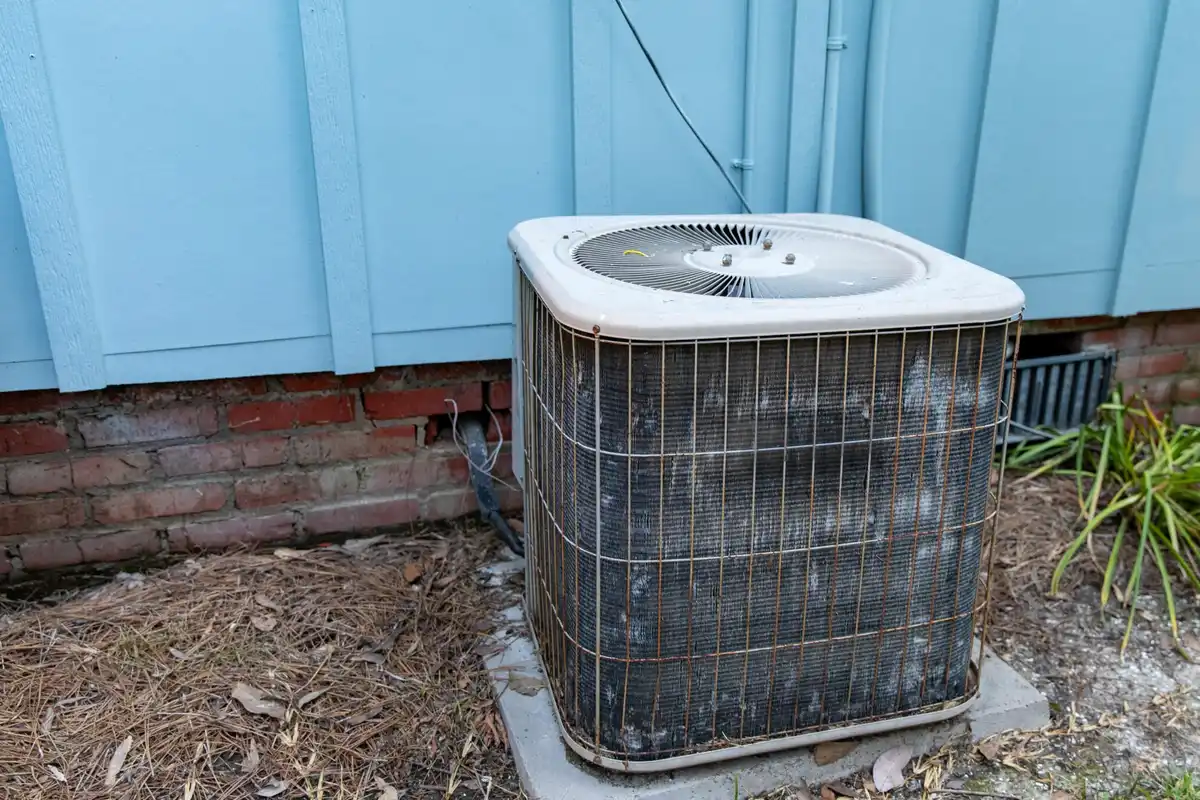
In a hot inland city, a central AC earns its age honestly, running long hours from late spring to early autumn, year after year. San Bruno asks almost nothing by comparison. Summer highs sit in the 60s and low 70s, the marine layer does much of the cooling for free, and September, the warmest month, still asks for only scattered days of real work. Measured in hours of actual running, a San Bruno system ages slowly, and compressors and fan motors, which wear mainly while they turn, can remain sound far longer than the same parts inland.
That is the genuine good news, and it explains a pattern providers see across Portola Highlands and the rest of the city: mechanically healthy systems of surprising age, still cooling well on the days they are asked to. If run-hours were the whole story, the lifespan answer for San Bruno would simply be longer than everywhere else. Run-hours are not the whole story, and the other half of the ledger is written by the same ocean air that keeps the city cool enough to need so little cooling in the first place. The same sheltered, temperate character that makes the city comfortable is what loads the other side of the ledger so quietly.
The calendar argument: what the fog does all winter
A San Bruno condenser spends its life outdoors in damp, salt-tinged air, and it corrodes on calendar time whether it runs or not. Coil fins and copper develop corrosion that reduces heat transfer and eventually opens refrigerant leaks. Cabinet steel rusts, screws seize, contactor points oxidise, and capacitor performance drifts. None of this requires the system to run a single hour. It happens through every foggy winter, in Lomita Park as much as on the exposed western hills, at roughly the speed the environment sets, not the speed the thermostat sets.
The housing stock adds its own calendar pressure. Most San Bruno homes were built between 1940 and 1979, and many had central AC added later as a retrofit rather than designed in from the start. Ageing ductwork, older electrical panels, and first-generation retrofit coils all age alongside the outdoor unit. So the local lifespan question is really a race between slow mechanical wear and steady environmental corrosion, and the winner varies by microclimate: a sheltered unit on the bay side often outlasts an identical unit taking the full fog on the hills, purely on exposure. Two systems of identical age on opposite sides of the city can therefore be in genuinely different condition, which inspections reveal and birthdays cannot.
The four things that actually decide remaining life
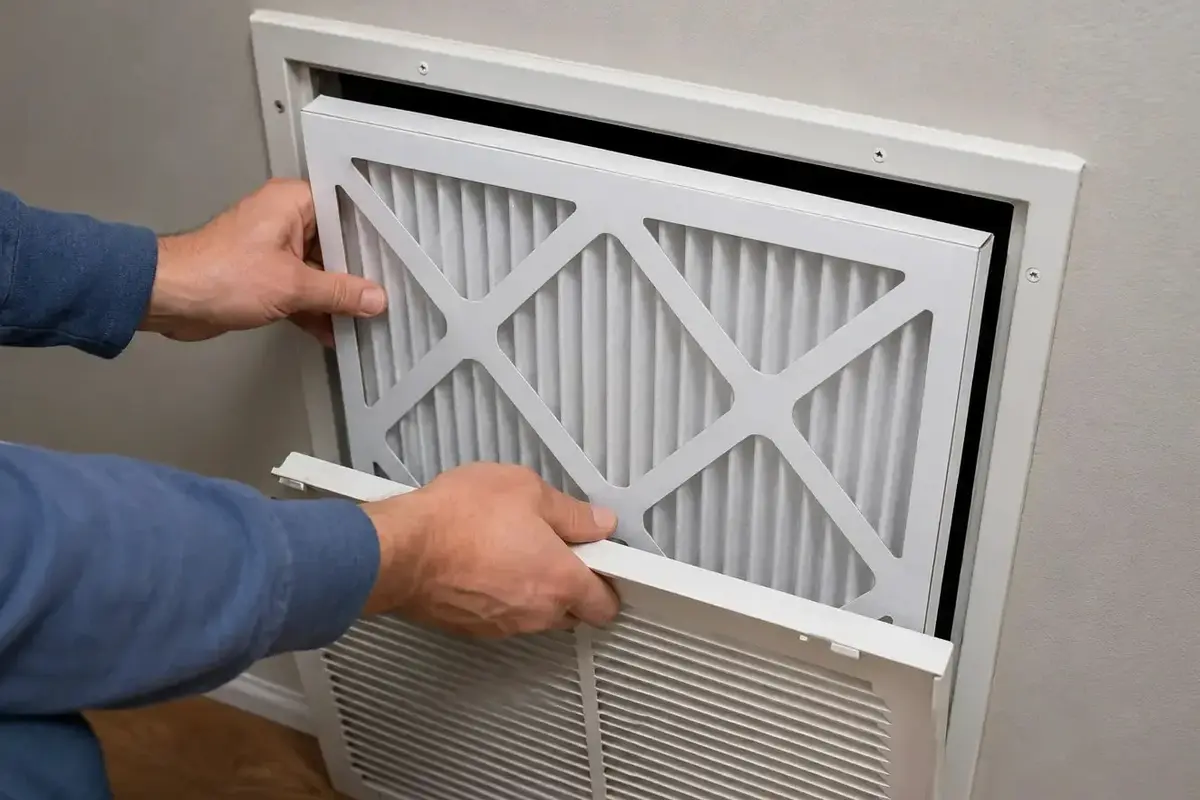
First, coil condition, because corroded coils are where leaks, efficiency loss, and the repair-or-replace conversation all begin. Second, compressor health, judged by how it starts, runs, and draws current, not by its age alone. Third, maintenance history: a system whose filter, drains, and coils were looked after arrives at old age with its airflow and pressures where they should be, while a neglected system of half the age can already be limping. The rhythm described at Central AC Maintenance & Tune-Up is, in lifespan terms, the whole difference between the two.
Fourth, parts availability, the quiet decider. As systems age, control boards, specific motors, and matching coils leave production, and a fault that would be routine at year ten can become a sourcing problem later. Notice what is not decisive on this list: the brand badge. Within the major manufacturers, lifespan differences are swamped by installation quality, exposure, and maintenance. The system still cooling happily at an advanced age and its twin replaced young are usually separated by airflow, corrosion, and service history, not by the name on the cabinet door. That is encouraging news, because exposure can be softened with clearance and care, and maintenance is a choice any owner can still make today.
- Low run-hours slow mechanical wear in San Bruno
- Marine corrosion ages coils and contacts on calendar time
- Exposure matters: fog-side hills age units faster
- Coil and compressor condition outrank the birthday
- Maintenance history beats brand as a lifespan predictor
- Get a condition assessment well into the second decade
Signs the final seasons have begun, and what to do about them
Age announces itself as a cluster, not a single symptom: repairs arriving in successive summers rather than isolated years, a capacitor one season and a leak the next; cooling that takes longer to satisfy the house on the same kind of day; new sounds at startup; rust visible at the coil and cabinet base; and refrigerant needing attention more than once, which is corrosion talking, not bad luck. Any one of these is a repair. Several together are a planning conversation, and the time to have it is a mild spring week, not a September emergency.
The practical move for any San Bruno system well into its second decade is a condition assessment before the warm season: coils inspected, compressor readings taken, refrigerant pressures checked, and the honest verdict delivered in writing. That visit converts lifespan from a worry into a plan: either budget for a future replacement at a calm-season pace, or run the system with confidence because its fundamentals are sound. Start from the fast local AC repair in San Bruno page or call (650) 555-0147 to arrange one. The framework for what follows a poor verdict lives at Repair or Replace a Central AC? How to Decide, and it is far better read in advance than at midnight in a warm house. A written verdict also helps the household budget calmly, spreading a known future cost across seasons instead of meeting it in a single week.
Common questions
Frequently Asked Questions
My AC is old but cools fine. Should I replace it before it fails?
Not on age alone. If the coils are sound, the compressor starts and runs within its electrical ratings, and refrigerant has never needed repeated attention, an older San Bruno system can reasonably be run on, with an annual check and a replacement budget kept in mind. What age should trigger is the assessment habit, not the purchase. Spending early on a healthy system buys a new warranty at the price of discarding years of working service.
Does the fog really shorten an AC's life that much?
It shortens the coil's life more than the machinery's, and the coil is often where the end begins. Constant damp and coastal air corrode the thin aluminium fins and copper tubing outdoors, which first costs efficiency, then produces pinhole leaks that no recharge can outrun. A system can therefore have a mechanically willing compressor attached to a coil that can no longer hold charge. That combination is exactly why condition inspections in San Bruno look at the coil first.
My system was a retrofit added to an older house. Does that change its lifespan?
The outdoor unit ages by the same rules, but the system around it deserves equal attention: retrofitted ductwork, returns, and the indoor coil were fitted into a house designed before central cooling, and their condition shapes performance as the installation ages. When such a system weakens, the verdict should cover the whole path, air side included, not just the condenser, which is the point of the assessment described at AC Blower Motor & Fan Repair.
What single habit adds the most years to a central AC here?
Keeping it looked at. A filter changed on schedule protects airflow and the coil, a drain kept clear prevents the water damage and shutdowns that age indoor components, and a professional check catches corrosion, weak capacitors, and slow leaks while they are still cheap chapters. None of that stops the calendar, but it removes the accelerants. The checklist at Central AC Maintenance Checklist Before September Heat turns that habit into a once-a-year routine sized for San Bruno's mild season.
How this service works
A referral service — honest by design
This website is a referral and lead-generation service, not an air conditioning contractor. When you call, we connect you with independent local cooling providers serving San Bruno who perform the diagnosis, quote, and repair themselves.
Ask the provider who visits your home for their license, insurance, and written quote before any work begins — reputable local pros expect those questions. Learn more about how this service works.
AC out? House warming up?
Get a Local AC Pro on the Phone
Call now and describe the problem — you'll be connected with an independent San Bruno provider who can help today.
(650) 555-0147 Call NowProudly Serving San Bruno, CA
Serving San Bruno, CA 94066