Cooling Guide · San Bruno, CA
Why Your AC Fails on the First Hot Day of the Year
Months of fog, silence, and damp, then one hot afternoon and nothing. San Bruno's signature AC failure, explained part by part, and how to beat it. Written for San Bruno homes — the cooling systems, housing, and fog-line climate on your street.
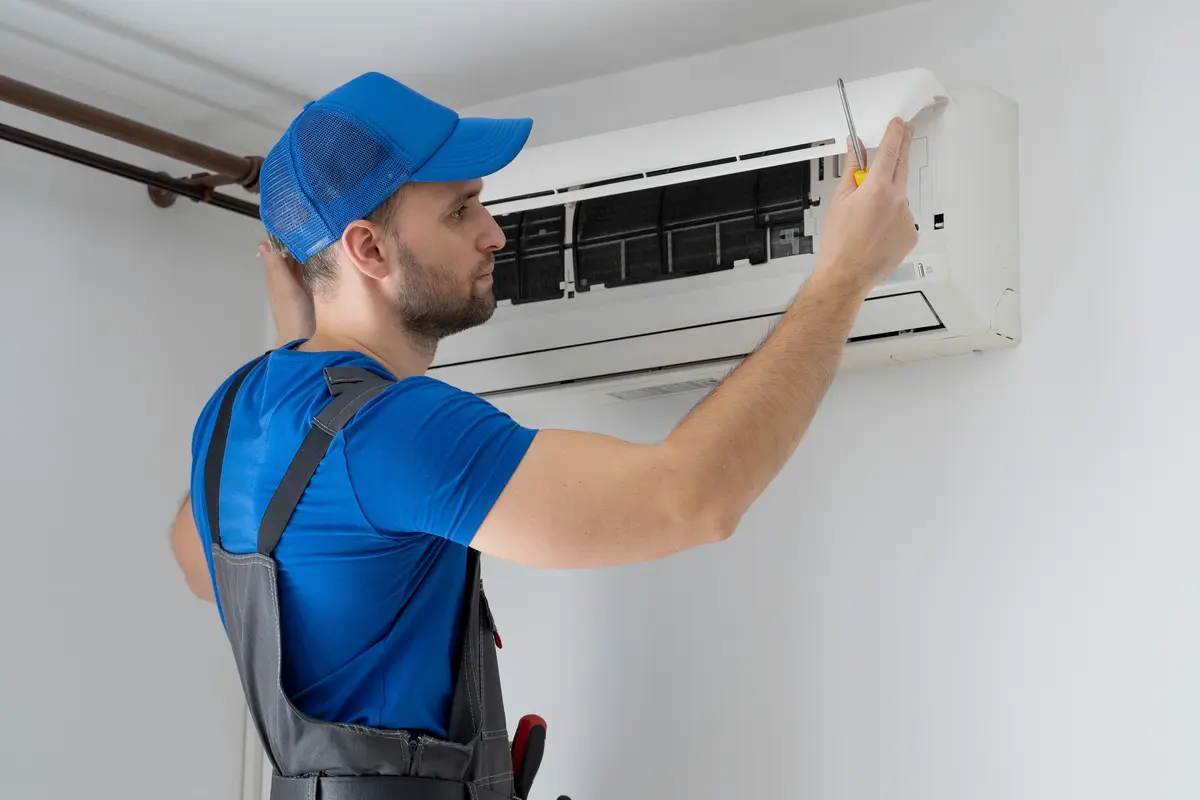
The pattern every San Bruno provider recognises
The call pattern is so reliable it could be printed on the trade's calendar. San Bruno spends its summer under or near the marine layer, highs in the 60s and low 70s, and most central ACs run rarely, some not at all for weeks at a stretch. Then the pattern breaks: an offshore flow pushes the fog out, inland heat spills over the hills, September delivers the year's warmest days, and across the city, thousands of homeowners switch their systems to Cool within the same few hours. By evening, the ones that failed are calling.
It feels like the heat broke the air conditioner, and that is exactly backwards. The heat merely asked the system to do, all at once and under its hardest conditions, what it had not been asked to do for months. Longest run of the year, highest outdoor temperatures of the year, a house already warmed through: the first hot day is the maximum-demand exam, and anything that quietly weakened over the winter fails it publicly. Understanding that timing is the key to the whole phenomenon, because every cause below happened earlier, in the quiet.
What the idle months actually did to the system
Start with the capacitor, the component that helps the compressor and fan motor start. Capacitors age with time and temperature even while a system sits, drifting out of their rated range in a damp cabinet until, on the first start that really matters, they cannot deliver. Next, the contactor: its electrical points sit exposed to marine moisture for months, oxidising and pitting, so the connection that must carry the compressor's heavy starting current is at its worst precisely when it is first asked to carry it. The result is the classic first-day hum and failure to start.
Refrigerant tells the slowest story. A pinhole leak at a corroded coil or fitting does not pause for winter; it seeps at its own pace through every idle month, so a system that ended last season slightly low begins this one lower. Slightly low becomes not cooling, or a frozen coil, on the first long run. Drains clog with growth in standing moisture, ready to trip a float switch on day one. Even the filter has a winter story, loading with the dust of a heating season. Each cause is small. Their shared deadline is what makes the day feel cursed.
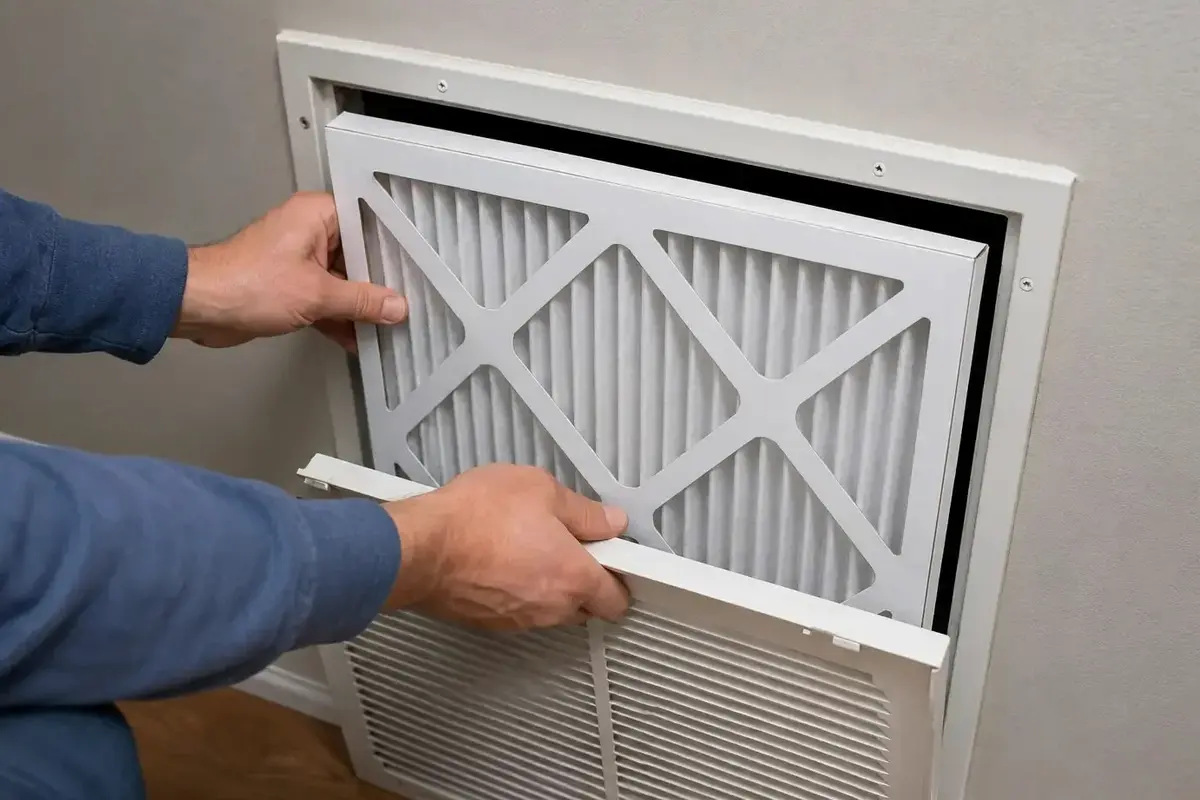
Why the failure always seems to choose the worst moment
Partly, it is selection: faults that would announce themselves gently in April, on a mild test run with no pressure, instead announce themselves in September with a house full of warm air and a trade whose phones are ringing across the Peninsula. Partly, it is physics: a marginal capacitor that can start a compressor on a cool morning cannot start it against the higher pressures of a hot afternoon, and a slightly low charge that kept up during short, mild runs falls behind during the first run that lasts for hours. The system's weaknesses were graded on a curve all year; the hot day removes the curve.
There is a neighbourhood texture to it as well. Homes in Rollingwood and on the fog-exposed hills may not run their AC until the deepest heat spell, so their first test comes latest and hardest, while bay-side homes in Belle Air Park tend to test earlier in milder conditions. Either way, the lesson is identical: the date of the failure is the date of the test, not the date of the damage, and every part of the remedy follows from accepting that. Systems do not need luck in September. They need an exam in August that they are allowed to fail cheaply.
- The hot day administers the test; winter did the damage
- Capacitors drift out of range while the system sits idle
- Contactor points corrode in months of marine moisture
- Slow refrigerant leaks seep all winter, unnoticed
- Marginal parts pass mild days and fail maximum demand
- A twenty-minute August test run moves failure to a cheap day
The twenty-minute test that moves your failure to a better day
Beat the pattern by scheduling the test yourself. On a mild day a few weeks before the warm season, set the thermostat to Cool, drop the temperature, and let the system run a full twenty minutes. Go outside: the condenser fan should spin up promptly, the air from the top should be warm, and no humming, clicking, or repeated starting attempts should appear. Inside, the air at the registers should turn genuinely cold, and stay cold. Change the filter first if it needs it, and clear anything that grew around the outdoor unit over winter.
Anything that fails that gentle test has failed at the best possible time: schedules are open, the house is comfortable, and the repair is a planned visit rather than an emergency. That is what a pre-season Central AC Maintenance & Tune-Up formalises, with meter readings on exactly the starting parts this page blames. If your system has already failed its hot-day exam, call (650) 555-0147 and say when it last ran well; that date is diagnostic gold. And if it passed, you have bought the most valuable thing in San Bruno cooling: a September with no phone calls in it.
Common questions
Frequently Asked Questions
Why does everyone's AC seem to fail on the same day?
Because the trigger is shared even though the faults are private. One weather pattern, the fog retreating and inland heat arriving, makes the whole city switch on systems that have sat idle for months, and every quietly weakened capacitor, corroded contact, and slow leak meets its first real demand within the same hours. Providers staff for that week because the calendar is that predictable in San Bruno. Your system's fault is its own; its timing is the city's.
Can running the AC briefly during winter prevent first-day failure?
A short mid-season run does no harm and can reveal an obvious no-start early, but it does not prevent capacitor ageing, contact corrosion, or refrigerant seepage, which proceed whether the system runs or not. Think of a winter run as an inspection, not a treatment. The treatment is a pre-season check with actual meter readings on the starting components, which catches a capacitor at the edge of its rating before the first hot afternoon grades it.
My AC started on the hot day but could not keep up. Is that the same story?
It is the milder chapter of it. A system that runs but falls behind on the longest, hottest run is usually showing reduced capacity: refrigerant slightly low from a winter of seepage, coils dirty or corroding, or airflow down from a loaded filter. Those are the same idle-season causes, one grade less severe. Book the diagnosis promptly: capacity faults found in that state are moderate repairs, while another season of low charge and dirty coils overworks compressors.
What if my AC has not run at all in over a year?
Then treat the first switch-on as an inspection, not a utility. Change the filter, clear the condenser, look for damage or nesting around the outdoor unit, and run the twenty-minute test on a mild day. A system idle that long in marine air deserves a professional check before it is trusted with a heat spell, particularly its starting components and refrigerant charge. Homes in Portola Highlands returning after long vacancies are the classic case, and a planned visit is far cheaper.
How this service works
A referral service — honest by design
This website is a referral and lead-generation service, not an air conditioning contractor. When you call, we connect you with independent local cooling providers serving San Bruno who perform the diagnosis, quote, and repair themselves.
Ask the provider who visits your home for their license, insurance, and written quote before any work begins — reputable local pros expect those questions. Learn more about how this service works.
AC out? House warming up?
Get a Local AC Pro on the Phone
Call now and describe the problem — you'll be connected with an independent San Bruno provider who can help today.
(650) 555-0147 Call NowProudly Serving San Bruno, CA
Serving San Bruno, CA 94066